
ANRS Reflate TB2 trial: which tritherapy for HIV-infected patients with tuberculosis?
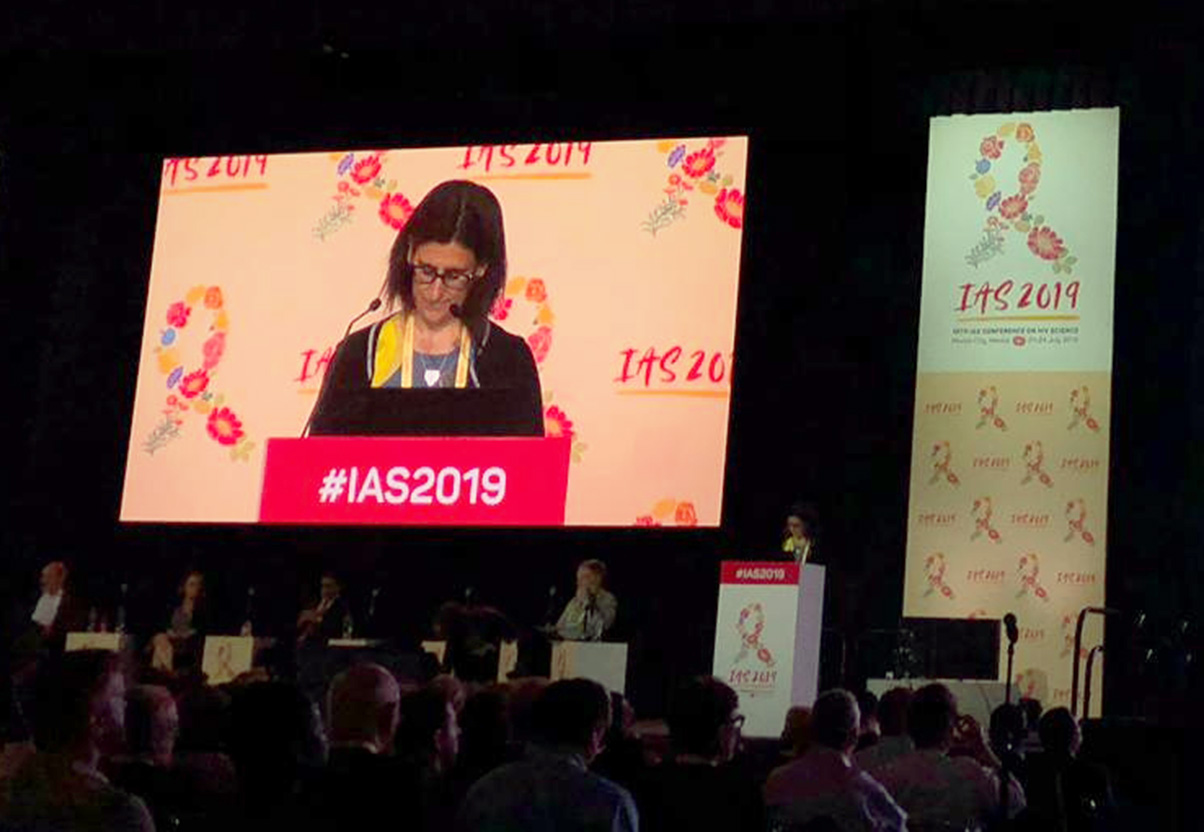
Efavirenz is the antiretroviral most used currently to treat HIV infection, particularly in patients with tuberculosis. There are few alternatives in this particular setting, which complicates treatment of HIV infection in case of intolerance or resistance to efavirenz. Other antiretrovirals may be an interesting alternative, notably raltegravir, which is the subject of the ANRS Reflate TB2 trial. This trial, which included 460 volunteers in Brazil, Mozambique, Ivory Coast, Vietnam, and France between 2015 and 2018, compared the efficacy and safety of the two treatments. Dr Nathalie de Castro (APHP- Hôpital Saint-Louis, Paris) will report the first results of ANRS Reflate TB2 in an oral communication on 22 July 2019, at the 10th IAS Conference on HIV Science (Mexico City, 21-24 July 2019).
Treatment of HIV infection during tuberculosis is complicated by drug interactions with rifampicin (a major antitubercular drug) and by the cumulative toxicity of the two treatments. Efavirenz-based tritherapy is the reference treatment, but its use is problematic if there are side effects or drug resistance.
The phase 2 ANRS Reflate TB study, which was conducted before the trial reported today, showed that raltegravir could be an interesting alternative to efavirenz, notably because of its favorable safety profile and moderate interaction with rifampicin.
ANRS Reflate TB2 was a large phase 3 open-label trial (patients and physicians knew which treatment was used) that compared the efficacy of raltegravir 400 mg x 2 / day (usual dose) and of efavirenz in two groups of patients who had not yet received antiretroviral treatment and were being treated for tuberculosis. Conducted by Dr Nathalie De Castro (Paris) and Professor Beatriz Grinsztejn (Rio de Janeiro), this trial took place in five countries¾Brazil, Ivory Coast, France, Mozambique, and Vietnam¾and recruited 230 patients to each treatment group between September 2015 and January 2018.
The results did not allow statistical demonstration that raltegravir was non-inferior to efavirenz after 48 weeks of treatment, with efficacy of 61% and 66%, respectively, in the two groups. After 24 weeks of treatment, ie, when the interaction between rifampicin and raltegravir was most evident, the efficacy was 59% in the two treatment arms. The reasons for the difference at 48 weeks showing that raltegravir was less effective are currently being analyzed. This result is important as ANRS Reflate TB2 is the only large-scale study to test the use of an alternative to efavirenz in the case of HIV/tuberculosis co-infection.
Dr Nathalie de Castro, who will present the results on behalf of the whole team at the 10th IAS Conference on HIV Science in Mexico City, on Monday 22 July at the 11.00-12.30 oral session, concludes that "efavirenz is at present the reference treatment and we are waiting for more data to determine which patients would benefit from the use of raltegravir."
Scientific contact:
Nathalie de Castro
ANRS press contacts:
Séverine Ciancia
01 53 94 60 30 - information@anrs.fr
Marc Fournet
01 53 94 80 63 - information@anrs.fr